
Effective Postpartum Exercise for Diastasis Recti

If you’re searching for safe and effective postpartum exercise for diastasis recti, you’re already taking the first important step in healing your core after pregnancy. Many new moms experience abdominal separation, but with the right movements and education, full recovery is absolutely possible.
Diastasis recti is more than just a physical concern; it can impact a woman’s emotional and psychological well-being. Many women feel disheartened with their body image post-pregnancy and may struggle with self-acceptance. Understanding diastasis recti and its implications can empower women to take control of their recovery journey.
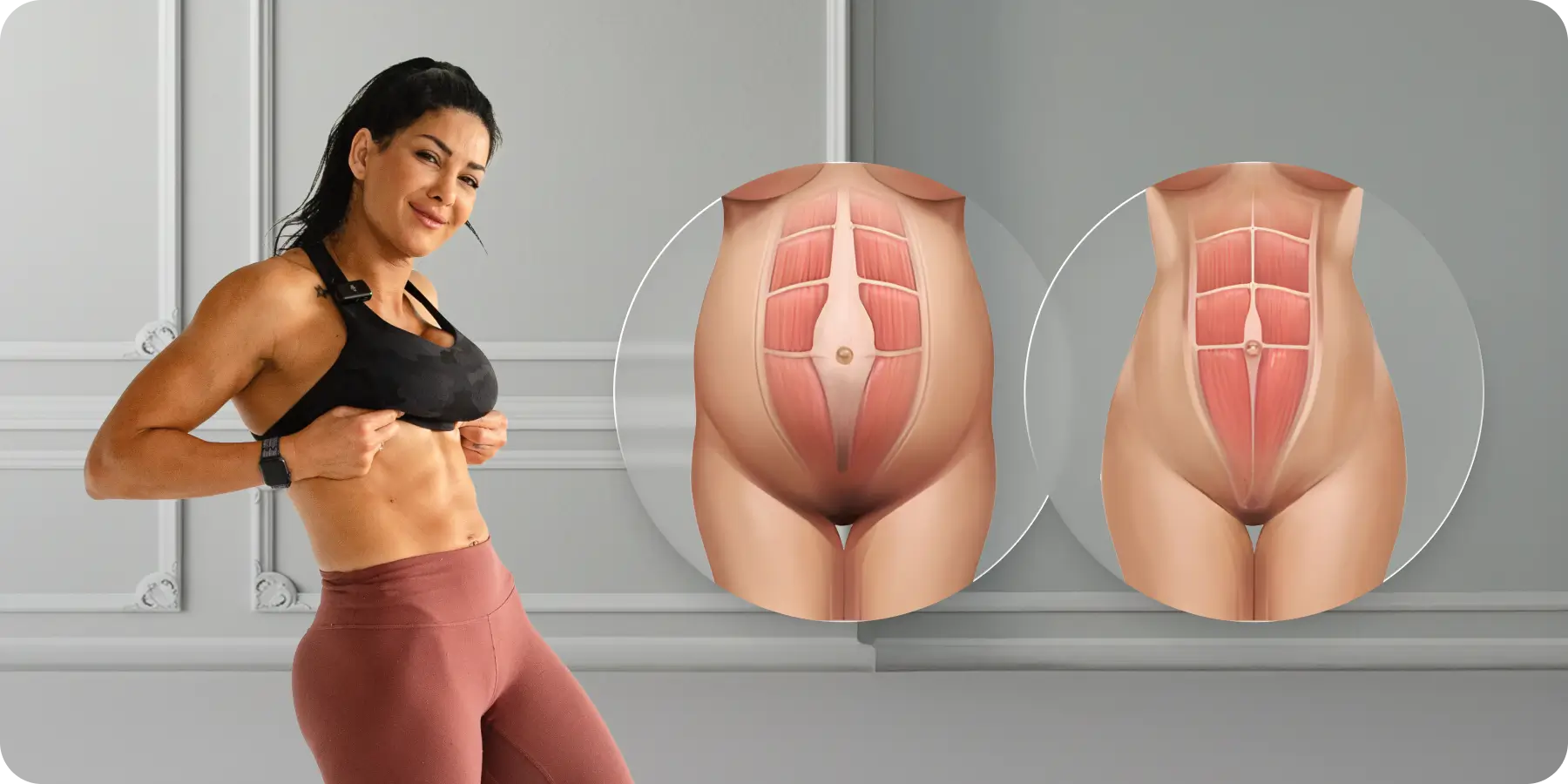
What Is Diastasis Recti?
Diastasis recti occurs when the abdominal muscles stretch and separate during pregnancy. This can lead to core weakness, back pain, pelvic instability, and difficulty regaining strength.
The condition is characterized by a gap of more than two centimeters in the abdominal muscles, particularly the rectus abdominis. The severity can vary from woman to woman. Some may experience minor separation, while others may face significant challenges in everyday movements. It’s essential to recognize the signs, which can include a visible bulge in the abdomen, back pain, and difficulty with basic activities such as lifting, bending, or even standing for prolonged periods.
Healing requires core safe movements, proper breathing, and progressive strengthening.
Incorporating core safe movements into your routine is vital. These may include modified exercises that strengthen the deep core muscles without exacerbating the separation. For example, focusing on gentle movements like seated leg lifts and controlled upper body twists can help build a solid foundation for more advanced exercises later on.
Why Traditional Ab Workouts Don’t Work?
Exercises like sit ups, planks, and crunches may worsen the separation. Instead, focus on:
Many traditional workouts emphasize superficial core engagement, which can inadvertently contribute to further separation. For new mothers, it’s critical to prioritize movements that promote stability and support. Instead of performing high-impact exercises or traditional ab routines, consider low-impact alternatives that focus on engaging the core gently.
- Deep core activation
- Breathing techniques specific to postpartum recovery
- Pelvic floor support
- Gentle but progressive strength training
Safe Exercises to Begin Healing
Here are beginner movements commonly used to support diastasis recti healing:
It’s crucial to progress at a pace that feels right for your body. For instance, when practicing diaphragm breathing, focus on slow, controlled breaths. Imagine filling your belly with air and gently contracting your core as you exhale. This technique reinforces proper core engagement and promotes better alignment. As you get comfortable, you can introduce movements like pelvic tilts and heel slides into your routine.
- Diaphragm breathing
- Pelvic tilts
- Heel slides
- Dead bug variations
- Glute bridges
- Side lying core activation
These help strengthen the inner core without adding pressure on the linea alba.
These exercises are just the beginning of your healing process. It’s worth noting that consistency is key. Establishing a regular routine, even if it means starting with just a few minutes a day, can yield significant results over time. Additionally, combining these exercises with adequate rest, hydration, and nutrition can enhance the healing process.

How Roula Fitness Helps You Rebuild Correctly
Roula Fitness offers postpartum specific training designed to:
Our trained professionals at Roula Fitness understand the unique challenges that come with postpartum recovery. We emphasize a holistic approach that includes not just physical training but also nutritional support and emotional encouragement. This comprehensive strategy ensures that every aspect of your health is addressed, paving the way for a successful recovery.
- Reconnect your deep core
- Strengthen your pelvic floor
- Restore posture and stability
- Help you safely transition into full workouts
- Keep you accountable with real coaching support
- Healing is a journey, but you don’t have to do it alone.
Start Your Core Healing Journey Today
Engaging in postpartum exercise for diastasis recti can foster a sense of community among new mothers. Sharing experiences, tips, and encouragement with others on a similar journey can provide immense emotional support. Consider joining local classes or online forums dedicated to postpartum fitness to connect with others.
You deserve guidance that supports your recovery and long-term strength. Embrace this opportunity to learn about effective postpartum exercise for diastasis recti and reclaim your core strength. Explore postpartum coaching and diastasis recti friendly programs at RoulaFitness.com.